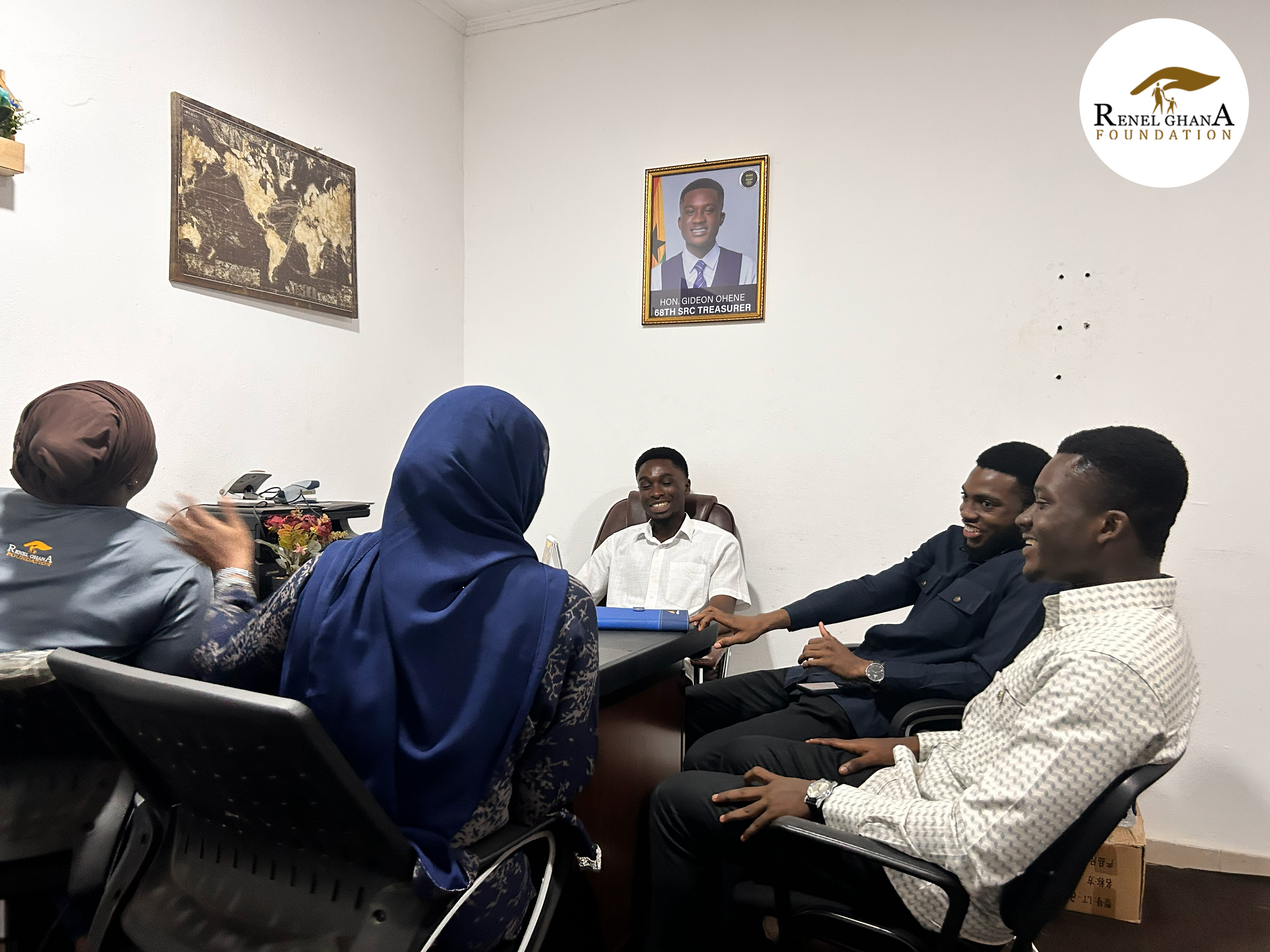
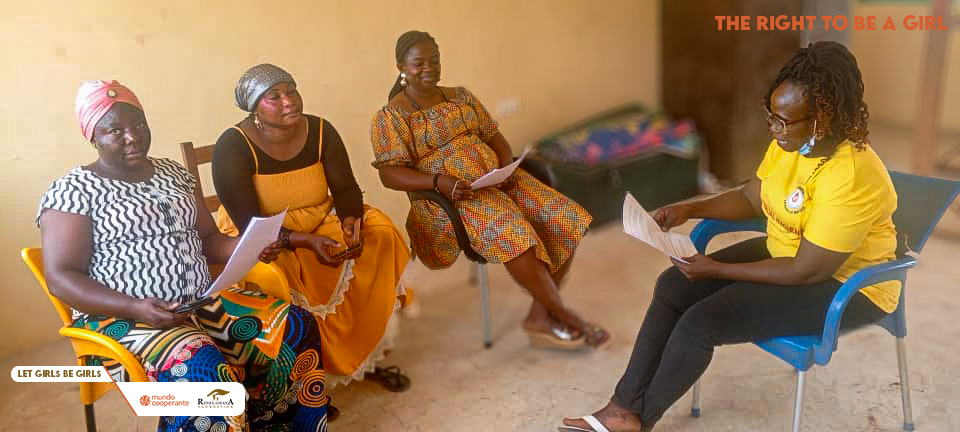
Renel Ghana Foundation, in partnership with Songtaba NGO and with funding from the UN Trust Fund to End Violence against Women, convened a targeted media briefing to assess the implementation of Ghana’s Domestic Violence Act (Act 732). The event brought together journalists, civil society, legal and protection institutions, health and social welfare actors, and policy advocates to review progress, surface implementation gaps, and agree practical actions to strengthen survivor‑centred responses to intimate partner violence.
Executive summary
- Purpose: assess how Act 732 is applied in practice, identify barriers to protection and justice, and mobilise media, civil society and institutions to drive reforms.
- Scope: national and district implementation issues, service readiness, data and monitoring, media ethics and survivor‑centred reporting.
- Outcome: a set of actionable recommendations covering training, referral systems, monitoring, media capacity building and resourcing of one‑stop centres.
Key findings from the briefing
- Institutional capacity gaps — limited budgets, logistics and trained personnel constrain police, social welfare and judicial responses, undermining timely, trauma‑informed care for survivors.
- Low awareness of legal remedies — protection and occupation orders are under‑used because many duty‑bearers and community actors lack knowledge of how to apply them.
- Service and funding shortfalls — the Domestic Violence Victims Support Fund is largely non‑operational and shelters, counselling and medical services remain scarce in many districts.
- Coordination and case management weaknesses — fragmented referral pathways and poor inter‑agency tracking lead to lost follow‑up and inconsistent survivor outcomes.
- Cultural and stigma barriers — patriarchal norms and fear of social consequences deter reporting and reduce survivors’ access to justice.
- Media practice challenges — journalists face ethical dilemmas around confidentiality, sensationalism and the need for survivor‑centred language; training and guidelines are inconsistent.
- Promising practices — pilot one‑stop centres under G‑REP and district campaigns that paired awareness with service readiness showed measurable improvements in reporting and referral completion.
Agreed recommendations and concrete actions
- Mandatory continuous training — institutionalise regular, accredited training for police, social workers, prosecutors and health staff on trauma‑informed, survivor‑centred case handling. Lead: Ministry of Interior; Ministry of Gender; timeline: 6 months.
- Strengthen Domestic Violence Management Board — provide technical expertise, stable leadership and dedicated funding to coordinate national implementation and district support. Lead: Ministry of Gender; timeline: immediate appointment and resourcing plan within 3 months.
- Scale and resource one‑stop centres — institutionalise the one‑stop model with recurrent funding, staffing and supply chains so survivors receive integrated legal, medical and psychosocial care. Lead: Ministry of Health; Ministry of Gender; timeline: phased scale‑up over 12–24 months.
- Nationwide awareness campaign — sustained public education targeting duty‑bearers and communities on protection and occupation orders, reporting channels and survivor rights. Lead: Civil society coalition with government support; timeline: campaign launch within 2 months.
- Joint monitoring framework — develop a simple, shared case management and monitoring template for DOVVSU, Social Welfare and health facilities to capture referrals, response times and outcomes; pilot in two districts then scale. Lead: Renel Ghana Foundation and Songtaba with district partners; timeline: pilot within 3 months.
- Media capacity building — deliver short, practical trainings for journalists on ethical, survivor‑centred reporting, anonymisation, and how to include service information in coverage. Lead: Media houses with civil society trainers; timeline: first training within 8 weeks.
- Strengthen accountability mechanisms — expedite prosecution timelines, improve police response capacity and establish independent oversight for complaints about official conduct. Lead: Attorney General’s Office and Police Service; timeline: policy review within 6 months.
Practical next steps and ownership
- Immediate deliverables: concise policy brief summarising briefing findings and recommendations; one‑page media guidance for journalists; draft monitoring template for pilot districts. Owners: Renel Ghana Foundation and Songtaba.
- Short term (1–3 months): finalise monitoring template; schedule media training; launch awareness campaign planning. Owners: Civil society coalition and district focal points.
- Medium term (3–12 months): pilot monitoring in two districts; begin phased resourcing of one‑stop centres; institutional training roll‑out. Owners: Ministries and district assemblies.
- Reporting and accountability: monthly coordination updates from district focal points and quarterly public progress summaries to stakeholders and funders.
Media guidance and ethical practice
- Use survivor‑centred language: avoid victim‑blaming terms and protect identities unless explicit, informed consent is documented.
- Prioritise safety over detail: omit identifying details that could expose survivors to harm; use anonymised case studies.
- Include service information: every report should provide clear referral contacts and guidance so survivors know where to seek help.
- Verify facts: cross‑check with official sources and service providers to avoid misinformation that could jeopardise cases.
- Balance accountability and sensitivity: pursue investigative reporting on systemic failures while safeguarding survivor dignity and legal processes.
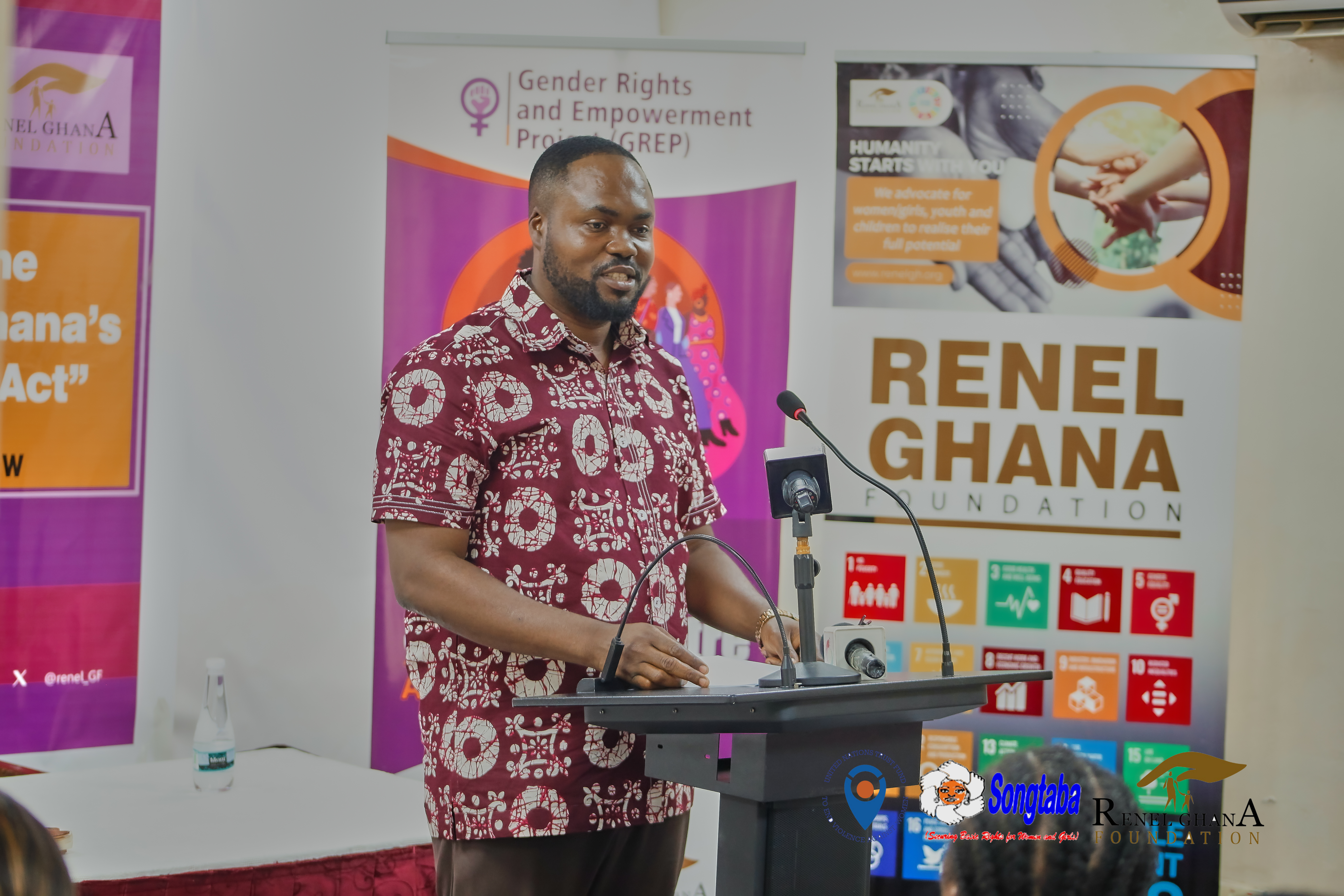
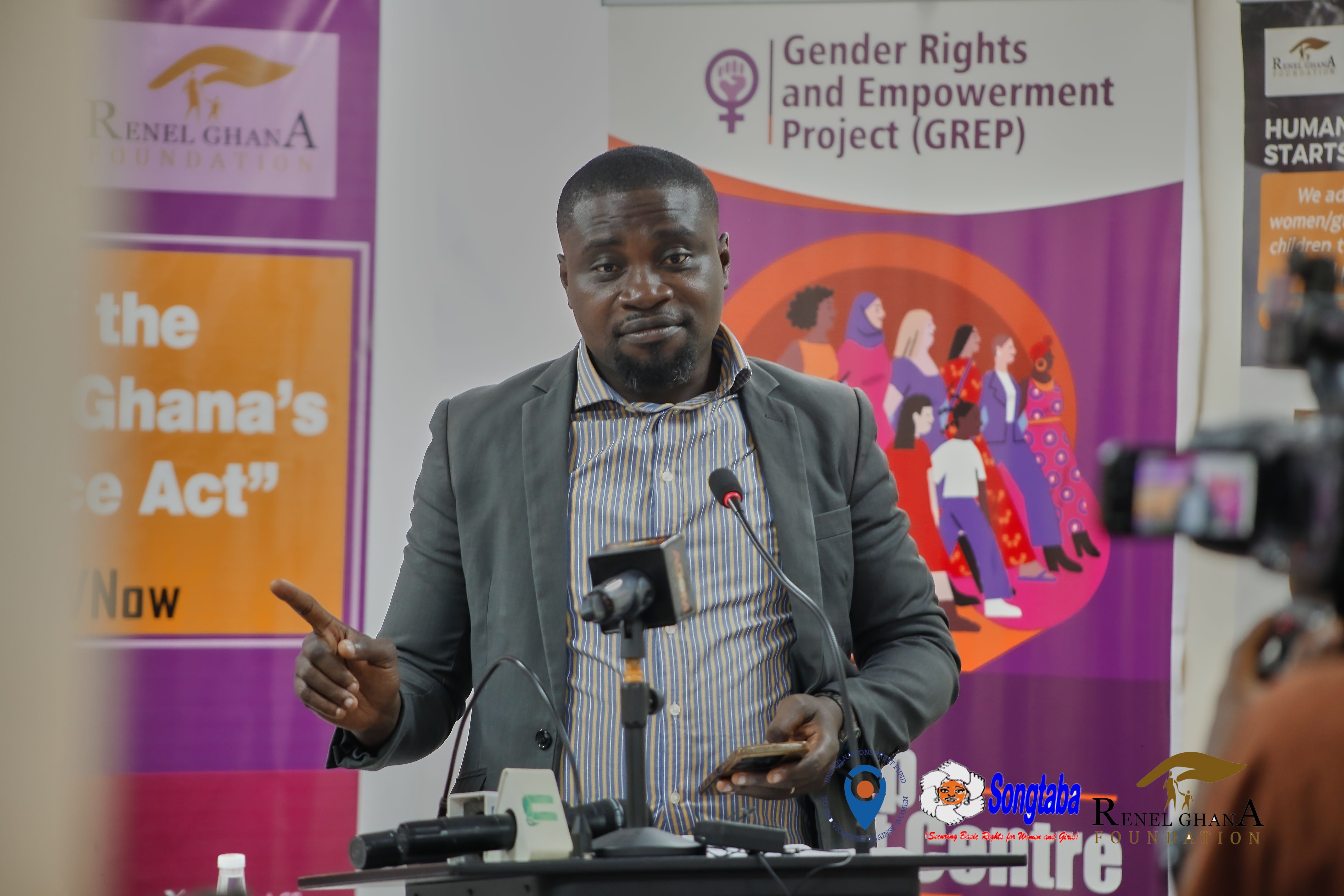
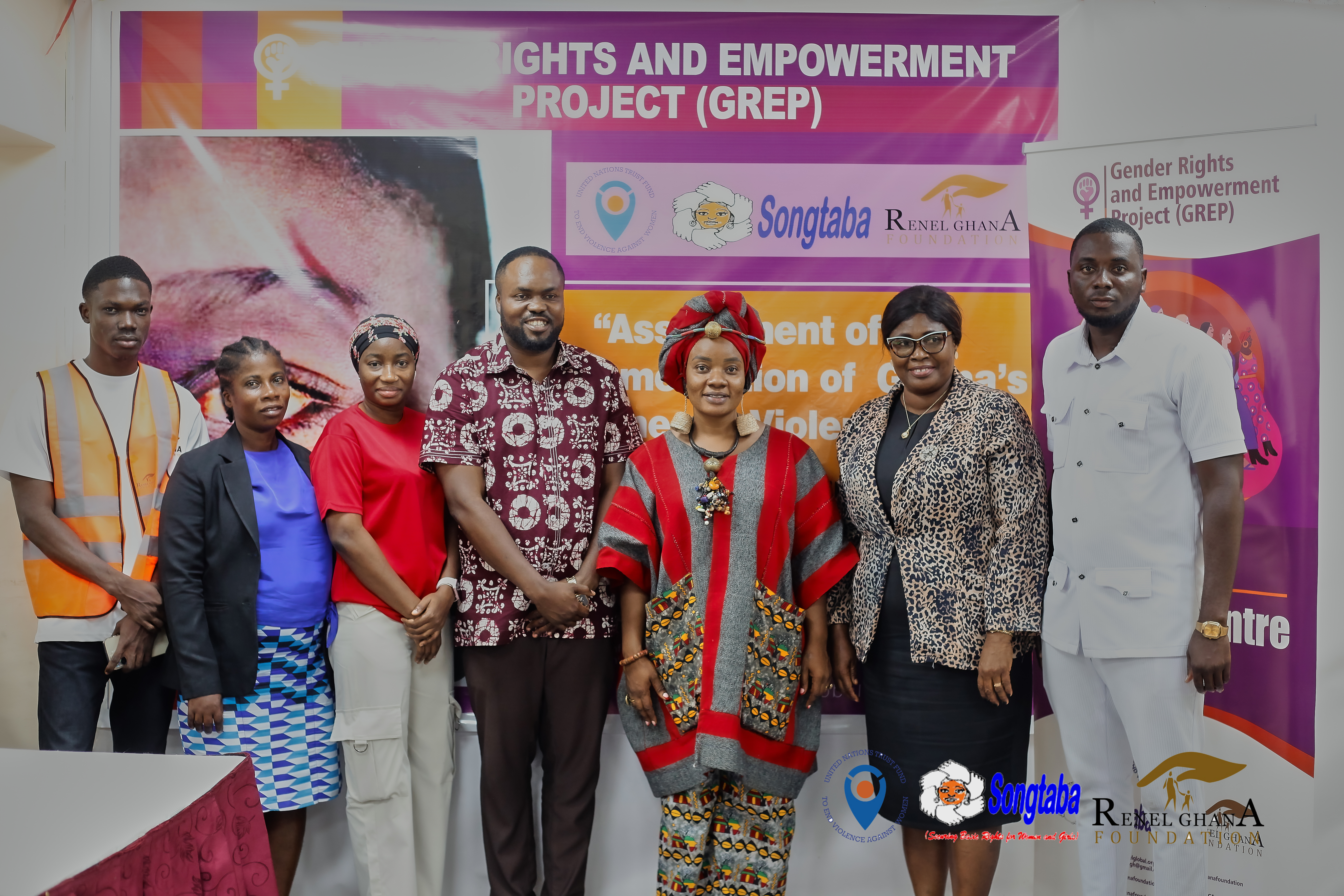
“Every survivor deserves safety, dignity, and justice.”
— Nelso Richardson – Madela
An 80–90% reduction in the Domestic Violence Fund removes emergency shelter, counselling and material support — Mr. Benjamin Abaidoo