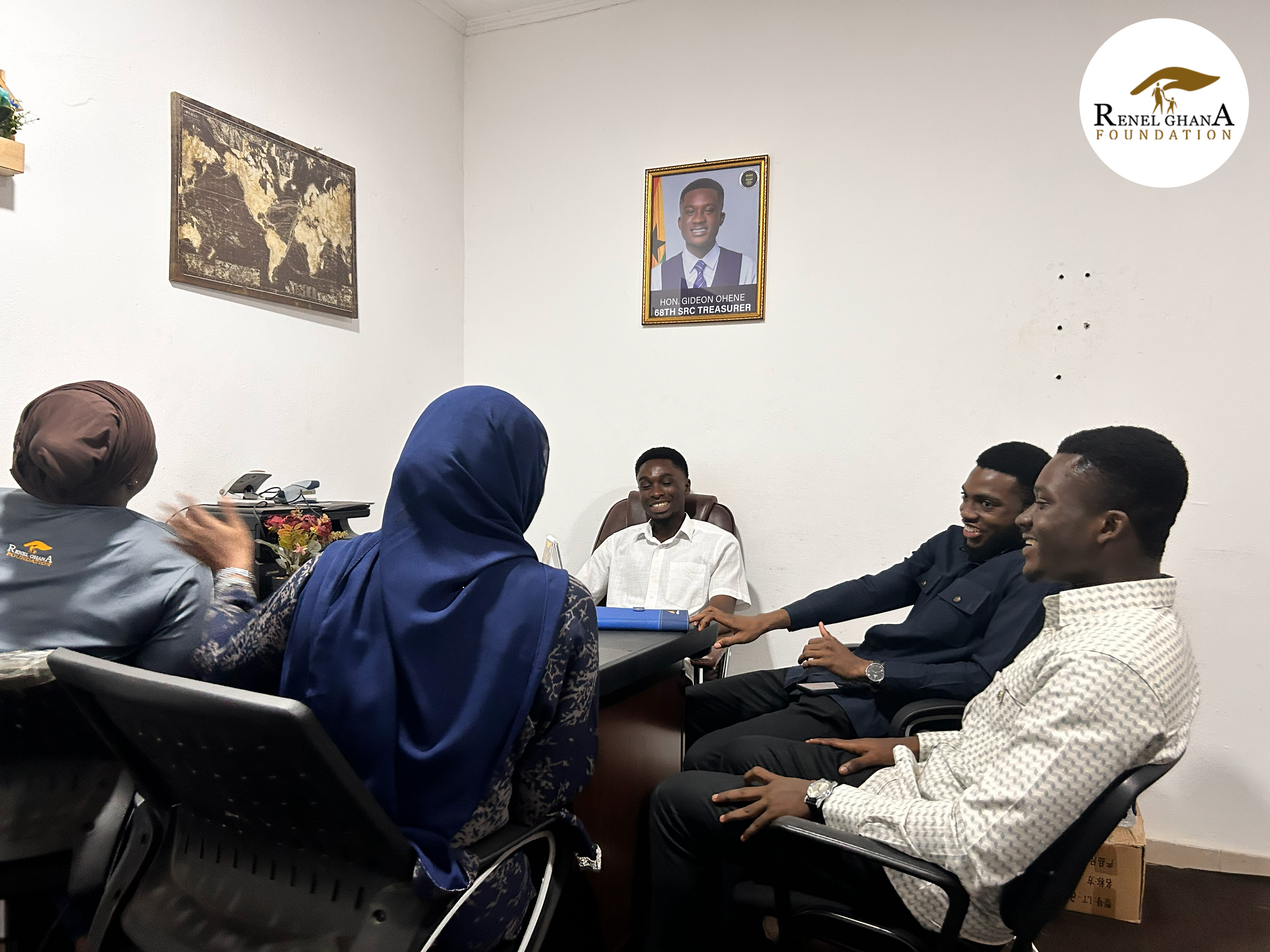
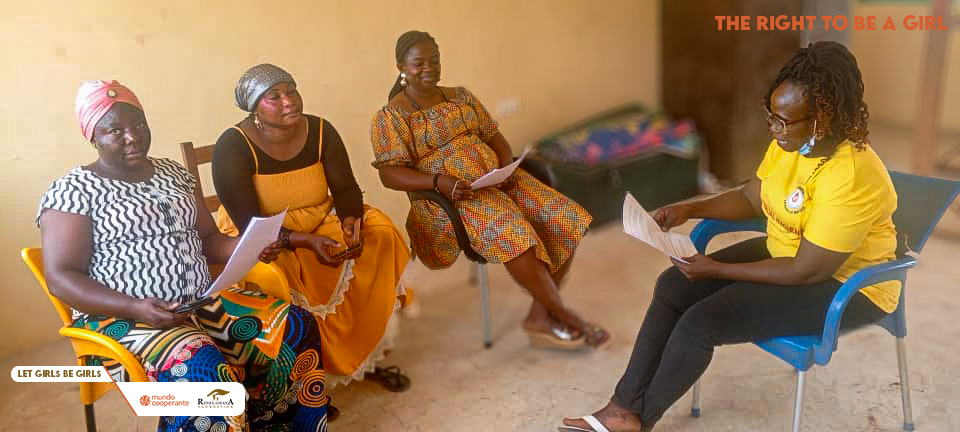
Under the Gender Rights and Empowerment Project, Renel Ghana Foundation partnered with Songtaba and with funding from the UN Trust Fund to End Violence against Women to deliver a capacity‑building training in Ada East District. The training strengthened multi‑sectoral coordination so survivors of intimate partner violence and other forms of gender‑based violence receive compassionate, timely and effective support across police, health, social welfare and civil society actors.
Objectives and focus areas
- Expected outcome: improved survivor safety, faster referrals, consistent case documentation and stronger inter‑agency collaboration.
- Primary objective: build practical skills and systems for survivor‑centred care across protection, justice and psychosocial services.
- Core focus areas: trauma‑informed practice; safe intake and referral pathways; coordinated case management; confidentiality and data protection; legal remedies and protection orders; psychosocial first aid and clinical care; community reintegration and safety planning.
Participants and roles
- Primary participants: district social welfare officers, DOVVSU officers, health facility clinicians, community protection volunteers, local NGO staff, district assembly representatives and selected media.
- Facilitators: Renel Ghana Foundation trainers, Songtaba technical advisors, and guest resource persons from health, police and legal aid.
- Role expectations: each agency commits a focal person for referrals, agrees to use standard intake forms and to participate in monthly coordination check‑ins.
Key training modules and practical tools
- Trauma‑informed practice: recognising trauma responses, avoiding re‑traumatisation, building trust.
- Safe intake and confidentiality: consent, anonymisation, secure record keeping and data minimisation.
- Referral pathways: clear, time‑bound steps from first contact to medical, psychosocial and legal services; contact directory for district services.
- Protection planning: rapid safety assessments, protection and occupation orders, emergency shelter options.
- Psychosocial first aid: basic counselling skills, crisis stabilization and referral triggers.
- Case documentation and monitoring: standardised forms, minimal data set, and survivor feedback mechanisms.
- Multi‑agency coordination: roles and responsibilities matrix, meeting cadence and escalation procedures.